Ah, you know how it is. You start looking for a pen, or a sticky note, or maybe some spare change, and suddenly you start finding things you lost years ago. In Intel's case, that appears to be a load of Comet Lake-era Core i5 10400 CPUs, but not to worry—it's simply rebranded them as , to sync up with its relentlessly-confusing modern chip naming schemes. Oh, and under code name, it's listed as "products formerly known as Comet Lake." How very .
Yes, you too could be the proud owner of a five-year-old six-core, 12-thread CPU with a max boost clock of 4.3 GHz and 12 whole MB of L3 cache—albeit with a fancy new name (via ). To be honest, it's probably still a Yono all app reasonably decent CPU in many scenarios, but you can't deny that this sort of rebranding makes things even more complicated for your average user trying to decide on their next upgrade.
You'll be pairing it with DDR4, of course, as that's the fastest memory it supports, and you'll be paying $200 according to the MSRP—although the original Core i5 10400 is currently retailing .
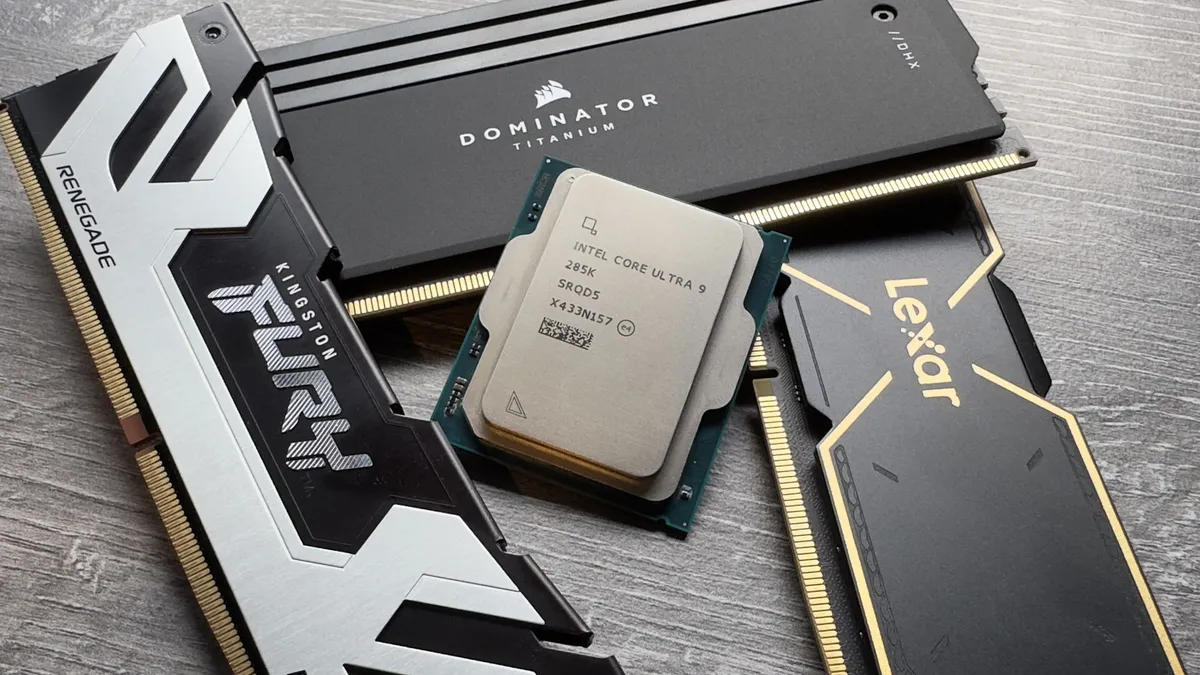
Or taking a look at the used market, for that matter, where Comet Lake-era chips are often found for very sensible cash. Regardless, Intel's naming scheme these days is confusing enough that even we on the PC Gamer hardware team find ourselves occasionally stumped as to which chip architecture falls under which brand.
Say you buy one of Intel's Series 2 chips, what does that get you? It could be , a desktop chip forged out of the Arrow Lake architecture. Or the Intel Core Ultra 9 285HX, an Arrow Lake mobile chip. Or the entirely different Intel Core Ultra 288V, a Lunar Lake mobile chip. Or even an Intel Core 210H, a Raptor Lake rehash for laptops. And you still have some Series 1 chips hanging around, as this latest Comet Lake drop shows, though Series 1 could also mean Meteor Lake or even Raptor Lake chips. The differences in age/ability/power/price between all of these chips is potentially huge.
I think. I'll be honest, I still consult from time to time when I get confused, and I still have to look up individual chips to figure out which architecture they're using on the regular. And I do this for a living. As a consumer? All I'll say is check, double check, and check again to make sure you're buying the correct chip for your setup.
Honestly, I need a lie down. To be fair to Intel, it's biggest competitor, AMD, also has very confusing naming schemes and the odd bit of dodgy branding, ala the debacle with the . Anyone got I could use? All this is giving me a serious headache.
👉👈
1. Best overall:
2. Best budget:
3. Best mid-range:
4. Best high-end:
5. Best AM4 upgrade:
6. Best CPU graphics: